



On May 25, Qidu Pharmaceutical’s self-developed Fat Emulsion Injection (C14-24) passed the generic drug quality and efficacy consistency evaluation. The product is available in a 500 mL: 50 g soybean oil strength, with a container closure system consisting of a barrier pouche and a three-layer co-extruded infusion bag.
Fat Emulsion Injection (C14–24) is a white, milky liquid prepared by using soybean oil as the active ingredient, with egg yolk phospholipids and glycerin as excipients. It is a classic core parenteral nutrition agent in clinical practice. This product provides energy and essential fatty acids to patients requiring long-term parenteral nutrition (typically more than 5 days), helping to prevent essential fatty acid deficiency (EFAD). It is widely used in ICU, perioperative care, oncology, severe trauma, and malabsorption conditions where oral/enteral nutrition is not feasible, making it an essential therapeutic category for critical care and perioperative management. The product is listed as a Category B drug in the National Medical Insurance Catalog and is recommended by the Clinical Pharmacy Consensus on Parenteral Nutrition and the Chinese Expert Consensus on Safety of Parenteral Nutrition. Its market sales in 2025 reached RMB 21.07 million, with broad prospects for future market growth.
The product offers four core advantages:
1. Quality Advantages. Through optimized manufacturing processes, the emulsion droplet size is precisely controlled within an appropriate range to enhance formulation stability. The pH is adjusted to closely match that of human blood, reducing vascular irritation and preventing issues such as droplet flocculation and emulsion breakdown. Strict control over nitrogen blanketing, emulsification, and sterilization steps maintains free fatty acid content at extremely low levels, minimizing the risk of nausea, vomiting, fever, and even lipid metabolism imbalance. Rigorous process parameter control, combined with nitrogen protection which ensures peroxide values remain within acceptable limits, reducing oxidative stress responses in patients.
2. Safety Advantages. Osmolality, triglyceride levels, droplet size, and bacterial endotoxin content are tightly controlled to reduce metabolic burden and organ damage risk, meeting the long-term, safe nutritional needs of neonates and preterm infants. High stability and low impurity levels lower the risks of fat overload, essential fatty acid metabolic disorders, and hepatic steatosis, thereby improving the safety profile of continuous administration and meeting the needs of critically ill, post-surgical, oncology, and malabsorption patients requiring extended parenteral nutrition.
3. Clinical Advantages. The injection can be administered as a standalone intravenous infusion or flexibly combined, based on clinical needs, with routine parenteral nutrition components such as amino acid injections, glucose injections, electrolyte injections, vitamin injections, and trace element injections. It comprehensively covers diverse clinical scenarios, including long-term parenteral nutrition support, short-term energy supplementation, perioperative recovery, and homeostasis maintenance in critically ill patients.
4. Packaging Advantages. The packaging material is free from the plasticizer DEHP and exhibits an excellent compatibility with the lipid emulsion formulation, eliminating the risk of glass delamination or particulate contamination associated with glass bottles. The fully enclosed design prevents air backflow during infusion, significantly reducing the likelihood of contamination. High impact resistance minimizes breakage during transportation, storage, and clinical handling. The bag allows direct infusion by squeezing, without the need for an air inlet needle, simplifying clinical procedures and enhancing healthcare staff efficiency.
Parenteral nutrition is one of Qidu Pharmaceutical’s ten key therapeutic areas. The company has built a comprehensive product portfolio centered on lipid emulsions, amino acids, and glucose, supplemented by electrolytes, vitamins, and trace elements, covering single-chamber, dual-chamber, and multi-chamber bags, as well as single-ingredient and compound formulations. The successful consistency evaluation of Fat Emulsion Injection (C14-24) fills the gap in long-chain lipid emulsions, enhances the parenteral nutrition product line, and strengthens the company’s capability to deliver full-spectrum nutritional solutions—from basic support to personalized care across all clinical settings.
Recommended reading
-

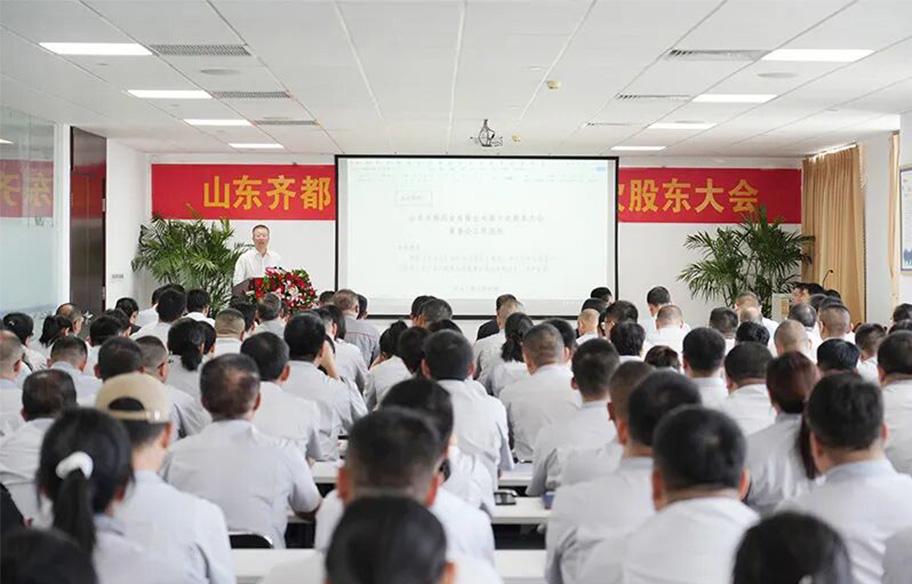 January 20, 2025
Top Ten Events of Qidu Pharmaceutical Group in 2025 Announced
-
 June 17, 2026
Qidu Pharma’s intelligent production project for oral preparations with an annual capacity of 10 billion tablets/granules passed the GMP on-site inspection.
-
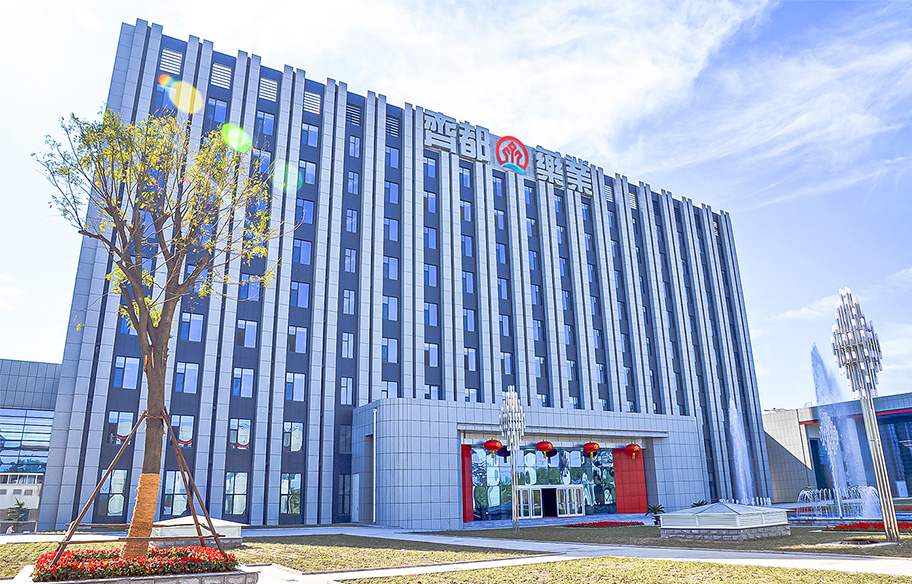 September 19, 2026
Ujoin Medical Technology’s COP/COC Prefilled Syringe Production and Assembly Line Officially Put into Operation
-
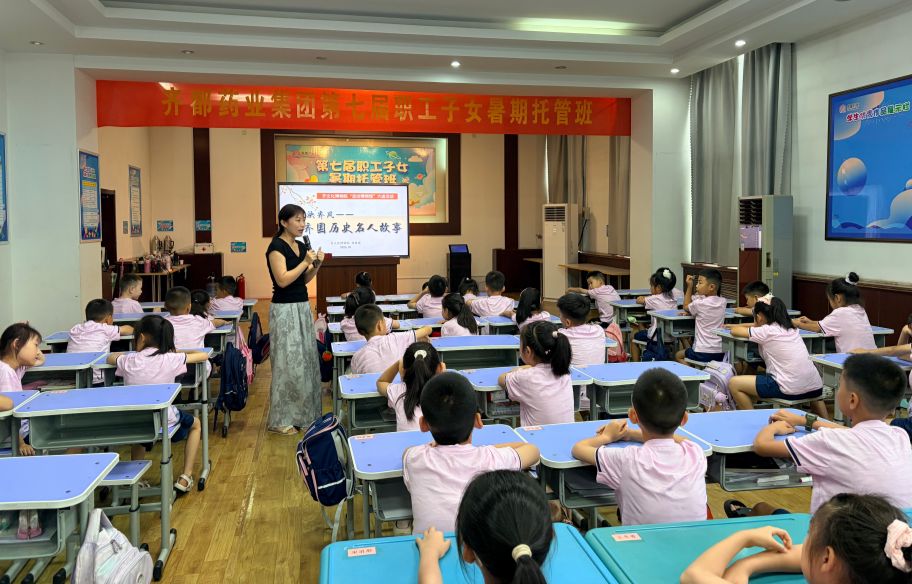 September 19, 2026
Qidu Pharmaceutical 2026: Summer Daycare and Scholarship/Bursary Programs – Care Underway
-
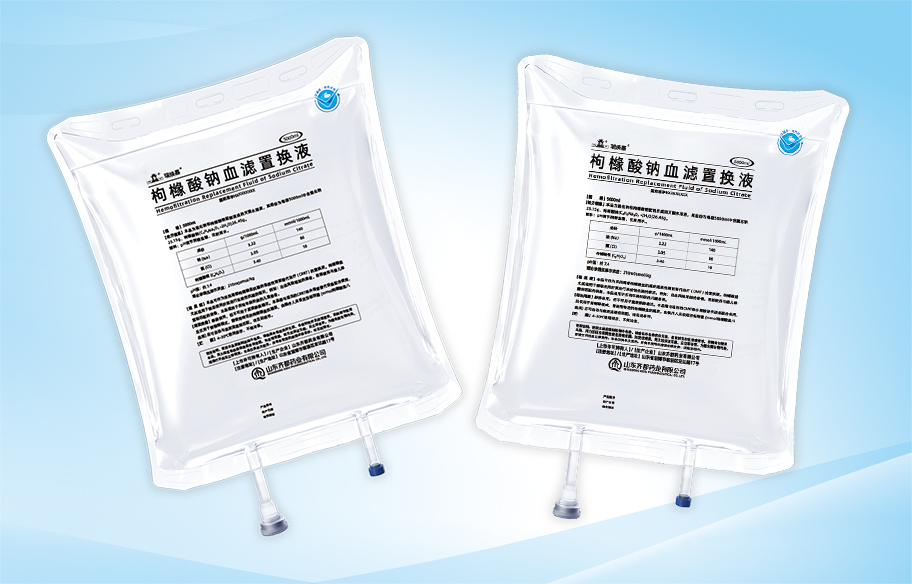 September 07, 2026
Qidu Pharmaceutical’s Ruihuanjia® – Hemofiltration Replacement Fluid of Sodium Citrate Receives NMPA Approval for Marketing
-
 September 07, 2026
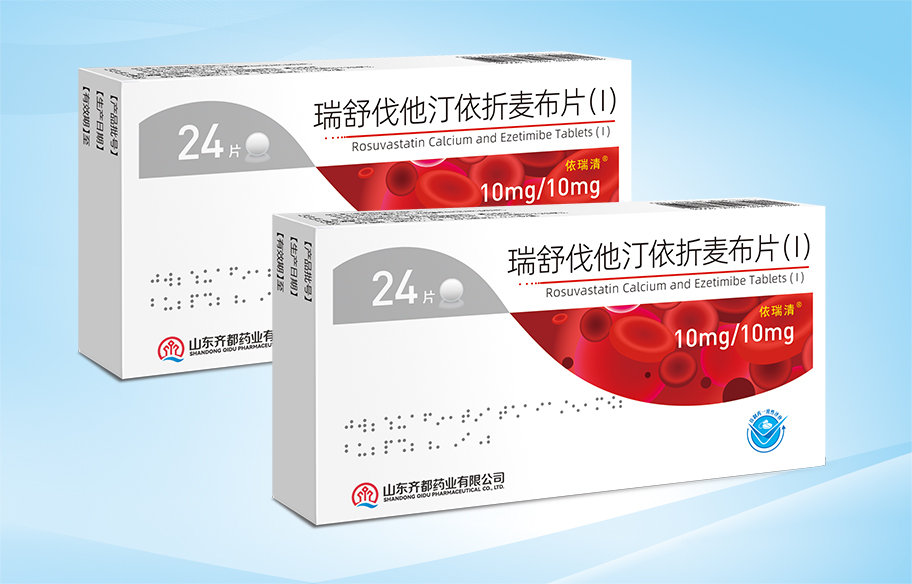
Qidu Pharmaceutical’s Yiruiqing® - Rosuvastatin Calcium and Ezetimibe Tablets (I) Approved for Marketing
-
 September 07, 2026
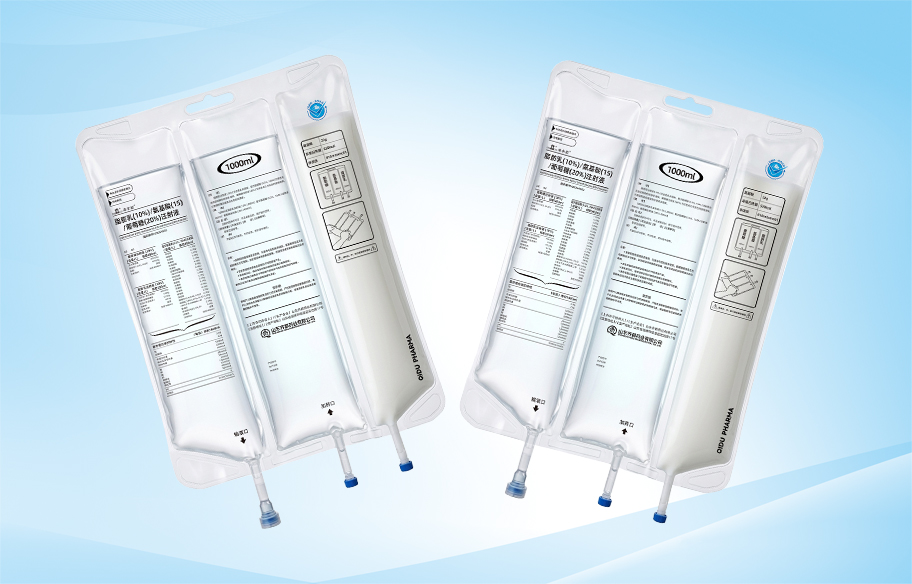
Qidu Pharmaceutical’s First Lipid Emulsion Triple-Chamber Bag Product Laifengneng® Approved for Marketing